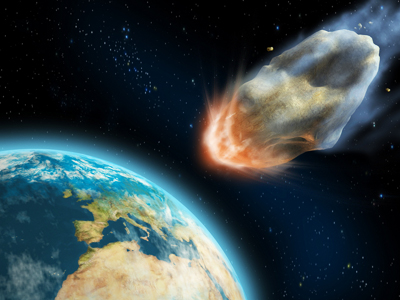
Have you ever wondered what would happen if an asteroid hit Earth? The thought alone is enough to send chills down your spine! But what if we told you that this has happened before, and it could happen again? Buckle up as we dive into the thrilling world of asteroids, focusing on the chilling events that unfolded in Siberia!
The Asteroid Threat: A Reality Check
Asteroids are not just the stuff of science fiction; they are real celestial bodies that orbit the Sun. Some of these space rocks are large enough to cause catastrophic damage if they were to collide with Earth. In fact, scientists estimate that there are over 1 million asteroids in our solar system, and many of them are on a collision course with our planet!
But why should we be concerned? The answer lies in history. The most famous asteroid impact occurred around 66 million years ago, leading to the extinction of the dinosaurs. This event, known as the Chicxulub impact, serves as a stark reminder of the potential devastation an asteroid can cause.
The Tunguska Event: A Siberian Mystery
One of the most intriguing asteroid-related events in history is the Tunguska event, which took place in Siberia on June 30, 1908. This massive explosion flattened over 2,000 square kilometers of forest, yet no impact crater was found. What caused this mysterious blast? Scientists believe it was a small asteroid or comet that exploded in the atmosphere, releasing energy equivalent to 15 megatons of TNT!
Imagine witnessing a fireball streaking across the sky, followed by a shockwave that could be felt hundreds of miles away. The Tunguska event serves as a chilling reminder of the power of asteroids and the potential consequences of a direct hit on Earth.
What If an Asteroid Hits Earth Today?
Now, let’s get to the heart of the matter: what would happen if an asteroid were to hit Earth today? The consequences would depend on several factors, including the size, speed, and angle of impact. Here’s a breakdown of potential scenarios:
1. Small Asteroid (Less than 25 meters)
A small asteroid, like the one that exploded over Tunguska, could cause significant damage to a localized area. Buildings would be destroyed, and there would be injuries and fatalities. However, the global impact would be minimal.
2. Medium Asteroid (25 to 100 meters)
A medium-sized asteroid could cause widespread destruction. If it were to hit a populated area, the loss of life could be catastrophic. The explosion would create a fireball, shockwaves, and potentially trigger tsunamis if it struck an ocean.
3. Large Asteroid (Over 100 meters)
A large asteroid impact could have global consequences. The explosion would release enough energy to cause massive fires, earthquakes, and tsunamis. The dust and debris thrown into the atmosphere could block sunlight, leading to a “nuclear winter” scenario that could disrupt agriculture and lead to food shortages worldwide.
How Prepared Are We for an Asteroid Impact?
With the potential for such devastating consequences, you might be wondering: how prepared are we for an asteroid impact? The truth is, scientists and space agencies around the world are actively monitoring near-Earth objects (NEOs) to identify potential threats.
NASA’s Near-Earth Object Observations program is dedicated to tracking asteroids and comets that come close to our planet. They use powerful telescopes and advanced technology to detect and characterize these celestial bodies. But is it enough?
The Race Against Time: Can We Stop an Asteroid?
As the threat of an asteroid impact looms, scientists are exploring various methods to deflect or destroy an incoming asteroid. Here are some of the most promising strategies:
1. Kinetic Impactor
This method involves sending a spacecraft to collide with the asteroid at high speed, altering its trajectory. NASA’s DART (Double Asteroid Redirection Test) mission is a groundbreaking example of this approach.
2. Gravity Tractor
A gravity tractor would use the gravitational pull of a spacecraft to slowly change the asteroid’s path over time. This method requires a long lead time but could be effective for larger asteroids.
3. Nuclear Detonation
In extreme cases, detonating a nuclear device near the asteroid could potentially break it apart or alter its course. However, this method comes with significant risks and uncertainties.
What Can You Do to Prepare?
While the chances of an asteroid hitting Earth are relatively low, it’s always wise to be prepared. Here are some steps you can take:
- Stay Informed: Follow news from reputable sources about asteroid tracking and potential threats.
- Emergency Kit: Prepare an emergency kit with essential supplies in case of any disaster.
- Community Awareness: Engage with your community to raise awareness about disaster preparedness.
Conclusion: The Asteroid Threat is Real!
As we’ve explored, the threat of an asteroid hitting Earth is not just a distant possibility; it’s a reality that we must take seriously. The Tunguska event serves as a reminder of the potential devastation that can occur from an asteroid impact. While scientists are working tirelessly to monitor and mitigate this threat, it’s essential for individuals and communities to stay informed and prepared.
So, what do you think? Are you ready for the next asteroid to make headlines? Stay tuned, because the universe is full of surprises, and you never know when the next big event will occur!
Stay Updated on Asteroid News!
Subscribe to our newsletter for the latest updates on asteroids, space news, and more!