
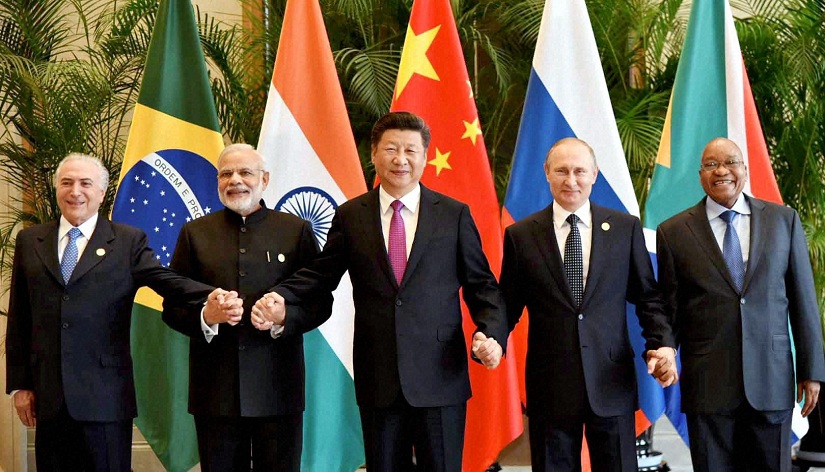
Are you ready to dive into the world of BRICS? This powerful alliance of emerging economies is not just a buzzword; it’s a force that is reshaping the global landscape! In this article, we will explore the BRICS nations—Brazil, Russia, India, China, and South Africa—and uncover how they are changing the rules of the game in international trade, finance, and politics.
What Are BRICS Nations?
BRICS is an acronym that stands for five major emerging economies: Brazil, Russia, India, China, and South Africa. Formed in 2009, this coalition aims to promote peace, security, and development in a multipolar world. But what does this really mean for the global economy? Let’s break it down!
The Rise of BRICS: A Historical Perspective
The BRICS nations have a combined population of over 3 billion people, accounting for about 40% of the world’s population. They also represent more than 25% of the global GDP. But how did these nations come together? The story begins in the early 2000s when economists started to recognize the potential of these emerging markets. The term “BRIC” was first coined by economist Jim O’Neill in 2001, and it wasn’t long before South Africa joined the group in 2010, officially making it BRICS.
Why BRICS Matters: The Economic Impact
BRICS nations are not just a group of countries; they are a powerhouse of economic growth. Here are some key reasons why BRICS matters:
- Economic Growth: BRICS countries have been growing at a faster rate than developed nations. For instance, China and India are among the fastest-growing economies in the world.
- Trade Opportunities: With a combined GDP of over $25 trillion, BRICS nations offer vast trade opportunities. They are increasingly trading among themselves, reducing reliance on Western markets.
- Investment Potential: BRICS countries are attracting significant foreign direct investment (FDI), making them attractive destinations for global investors.
BRICS and Global Politics: A New World Order?
As BRICS nations continue to grow economically, they are also gaining political influence. This shift is leading to a new world order where emerging economies are taking center stage. Here’s how:
- Multilateralism: BRICS promotes a multipolar world, advocating for a more balanced global governance system that includes voices from developing nations.
- Alternative Institutions: The New Development Bank (NDB) and the Contingent Reserve Arrangement (CRA) are examples of BRICS-led initiatives that challenge Western-dominated financial institutions like the IMF and World Bank.
- Geopolitical Influence: BRICS nations are increasingly collaborating on global issues such as climate change, terrorism, and sustainable development, positioning themselves as key players on the world stage.
Spotlight on Each BRICS Nation
Brazil: The Land of Opportunities
Brazil, the largest country in South America, is rich in natural resources and has a diverse economy. From agriculture to mining, Brazil is a powerhouse of opportunities. The country is known for its vibrant culture, stunning landscapes, and a growing tech scene that is attracting global attention.
Russia: The Energy Giant
Russia is one of the world’s largest producers of oil and natural gas, making it a key player in the global energy market. With vast natural resources and a strong military presence, Russia’s influence extends beyond economics into geopolitics.
India: The IT Hub
India is often referred to as the “back office of the world” due to its booming IT and software services industry. With a young and dynamic population, India is poised for rapid growth, making it an attractive destination for investment.
China: The Manufacturing Powerhouse
China is the world’s second-largest economy and a global leader in manufacturing. Its Belt and Road Initiative (BRI) aims to enhance global trade and infrastructure, further solidifying its position as a dominant economic force.
South Africa: The Gateway to Africa
South Africa is often seen as the gateway to the African continent. With its rich resources and strategic location, it plays a crucial role in BRICS, representing the interests of African nations on the global stage.
Challenges Facing BRICS Nations
Despite their potential, BRICS nations face several challenges that could hinder their growth:
- Political Instability: Political tensions within and between BRICS nations can impact cooperation and economic growth.
- Economic Disparities: The economic differences among BRICS countries can lead to conflicts of interest, making it challenging to present a united front.
- Global Economic Slowdown: A slowdown in the global economy can adversely affect BRICS nations, which are heavily reliant on exports.
The Future of BRICS: What Lies Ahead?
As we look to the future, the potential for BRICS nations is immense. With ongoing collaboration and a focus on sustainable development, these countries can continue to drive global economic growth. Here are some trends to watch:
- Increased Trade: Expect to see more trade agreements among BRICS nations, reducing reliance on Western markets.
- Technological Innovation: BRICS countries are investing heavily in technology and innovation, which will play a crucial role in their economic development.
- Climate Change Initiatives: As global awareness of climate change grows, BRICS nations are likely to take a more active role in promoting sustainable practices.
Conclusion: The BRICS Revolution
The BRICS nations are not just a group of emerging economies; they represent a revolution in the global economic landscape. As they continue to grow and collaborate, they are reshaping the world order and challenging the dominance of Western powers. The future is bright for BRICS, and the world is watching closely!
Are you ready to join the BRICS revolution? Stay informed and be part of the change!