
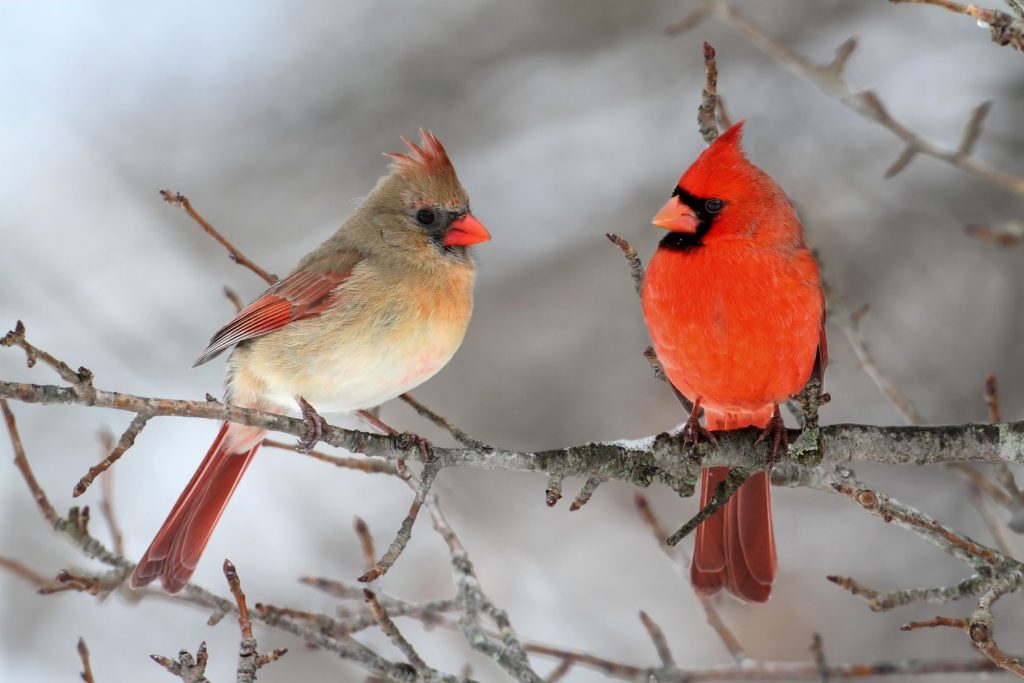
Have you ever caught a glimpse of a bright red bird perched on a snowy branch? If so, you’ve likely encountered a cardinal! These stunning creatures are not just a feast for the eyes; they are steeped in symbolism and rich in fascinating behaviors. In this article, we’ll dive deep into the world of cardinals, exploring their characteristics, habitats, and the reasons they hold a special place in our hearts. Get ready to be amazed!
What Are Cardinals?
Cardinals are medium-sized songbirds belonging to the family Cardinalidae. The most recognized species is the Northern Cardinal (Cardinalis cardinalis), known for its striking red plumage and distinctive crest. Males are vibrant red, while females sport a more subdued brownish hue with hints of red on the wings, tail, and crest. This sexual dimorphism is not just beautiful; it plays a crucial role in their mating rituals.
Why Are Cardinals So Special?
Cardinals are more than just pretty birds; they are symbols of hope, love, and renewal. Many cultures believe that seeing a cardinal is a sign from a loved one who has passed away, bringing comfort and reassurance. Their bright colors and melodious songs also make them a favorite among bird watchers and nature enthusiasts alike.
The Symbolism of Cardinals
Throughout history, cardinals have been associated with various meanings:
- Hope: Many people believe that cardinals appear when angels are near, serving as a reminder that loved ones are watching over us.
- Love: Cardinals mate for life, making them a symbol of enduring love and fidelity.
- Renewal: Their vibrant colors are often seen as a sign of new beginnings, especially in the spring when they are most active.
Where Do Cardinals Live?
Cardinals are native to North and Central America. They thrive in a variety of habitats, including:
- Woodlands
- Gardens
- Shrublands
- Urban areas
These adaptable birds are often found in backyards, making them a common sight for many people. They prefer areas with dense shrubs and trees, which provide shelter and nesting sites.
Cardinal Behavior: What Makes Them Unique?
Cardinals are known for their unique behaviors that set them apart from other birds. Here are some intriguing facts:
1. Vocal Talents
Cardinals are exceptional singers! Males are particularly vocal, using their songs to establish territory and attract mates. Their calls can be heard from a distance, often described as a cheerful “cheer, cheer, cheer” or “birdie, birdie, birdie.”
2. Territorial Nature
During the breeding season, male cardinals become highly territorial. They will defend their nesting area vigorously, often engaging in aggressive displays to ward off intruders. This behavior is crucial for ensuring their offspring’s survival.
3. Unique Feeding Habits
Cardinals are primarily seed eaters, favoring sunflower seeds, safflower seeds, and corn. They have strong, conical bills that allow them to crack open tough seeds. Interestingly, they also enjoy fruits and insects, making them omnivorous.
How to Attract Cardinals to Your Backyard
If you want to enjoy the beauty of cardinals up close, attracting them to your backyard is easier than you might think! Here are some tips:
1. Provide Food
Set up bird feeders filled with sunflower seeds or safflower seeds. Cardinals are ground feeders, so scattering seeds on the ground can also entice them.
2. Create Shelter
Plant dense shrubs and trees to provide shelter and nesting sites. Cardinals prefer areas with plenty of cover to feel safe from predators.
3. Offer Water
Install a birdbath to provide a reliable water source. Cardinals love to bathe and drink, especially during hot summer months.
Cardinals in Different Seasons
Cardinals are year-round residents in many areas, but their behaviors and appearances change with the seasons:
Spring
As the weather warms, cardinals become more vocal, establishing territories and attracting mates. This is the time when you’ll see them engaging in courtship displays, such as feeding each other.
Summer
During the summer months, cardinals are busy raising their young. They build nests in dense shrubs and trees, where the female lays 2-5 eggs. Both parents are involved in feeding the chicks.
Fall
As autumn arrives, cardinals begin to flock together. They can often be seen foraging for seeds and berries, preparing for the colder months ahead.
Winter
In winter, cardinals are a bright splash of color against the white snow. They continue to visit feeders and can often be seen in pairs or small groups, providing a cheerful sight during the cold months.
Fun Facts About Cardinals
Here are some fun and surprising facts about cardinals that you might not know:
- Cardinals are named after the Catholic cardinals, who wear red robes.
- They are the state bird of seven U.S. states, including Illinois, Indiana, and Ohio.
- Cardinals can live up to 15 years in the wild, although the average lifespan is around 3 years.
- They are non-migratory birds, meaning they stay in the same area year-round.
Conclusion: Embrace the Beauty of Cardinals
Cardinals are more than just beautiful birds; they are a symbol of hope, love, and resilience. Their vibrant colors and melodious songs bring joy to many, making them a cherished part of our natural world. Whether you’re a seasoned bird watcher or simply someone who enjoys the beauty of nature, taking the time to learn about cardinals can deepen your appreciation for these remarkable creatures.
So, the next time you spot a cardinal, take a moment to admire its beauty and reflect on the positive messages it brings. Happy bird watching!