
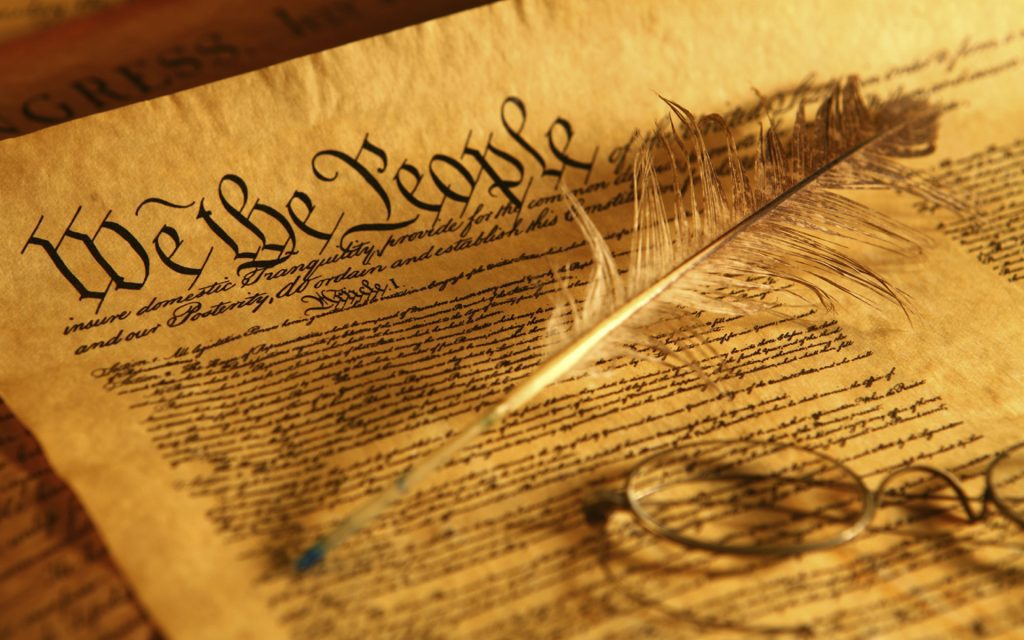
Have you ever wondered what makes a nation tick? What are the invisible threads that hold societies together? The answer lies in one powerful document: the constitution. In this comprehensive guide, we will dive deep into the world of constitutions, exploring their significance, history, and impact on our daily lives. Buckle up, because you’re about to embark on a journey that will change the way you view governance forever!
What is a Constitution?
A constitution is more than just a piece of paper; it is the backbone of a nation’s legal framework. It outlines the fundamental principles and established precedents according to which a state is governed. Constitutions serve as a blueprint for political structure, defining the roles and responsibilities of government institutions, the rights of citizens, and the processes for enacting laws.
Why Constitutions Matter: The Pillars of Democracy
Constitutions are crucial for several reasons:
- Protection of Rights: They safeguard individual freedoms and rights, ensuring that citizens are treated fairly and justly.
- Framework for Governance: Constitutions establish the structure of government, delineating powers among branches and levels of authority.
- Stability and Order: By providing a clear set of rules, constitutions help maintain social order and political stability.
- Legitimacy: They confer legitimacy to governments, as they are often created through a democratic process.
The Evolution of Constitutions: A Historical Perspective
Constitutions have a rich history that dates back centuries. The concept of a written constitution emerged in the 18th century, with the United States Constitution (ratified in 1788) being one of the first modern examples. However, the roots of constitutionalism can be traced back to ancient civilizations, such as:
- The Magna Carta (1215): This landmark document limited the powers of the king and laid the groundwork for modern democracy.
- The English Bill of Rights (1689): This established the rights of Parliament and the individual, influencing many future constitutions.
- The French Declaration of the Rights of Man and of the Citizen (1789): This document emphasized liberty, equality, and fraternity, shaping democratic ideals worldwide.
Types of Constitutions: A Closer Look
Not all constitutions are created equal! They can be categorized into several types:
- Written vs. Unwritten: Some countries, like the United States, have a single written constitution, while others, like the United Kingdom, rely on a combination of statutes, conventions, and legal precedents.
- Rigid vs. Flexible: Rigid constitutions are difficult to amend, requiring special procedures, while flexible constitutions can be changed through ordinary legislative processes.
- Federal vs. Unitary: Federal constitutions distribute power between national and regional governments, whereas unitary constitutions centralize authority in a single national government.
Constitutional Rights: The Heart of Democracy
At the core of every constitution are the rights it guarantees to its citizens. These rights can be broadly categorized into:
- Civil Rights: These include the right to free speech, assembly, and religion, protecting individuals from government overreach.
- Political Rights: These rights enable citizens to participate in the political process, such as voting and running for office.
- Economic and Social Rights: These rights ensure access to basic needs like education, healthcare, and housing.
How Constitutions Shape Our Lives
Constitutions are not just legal documents; they influence our daily lives in profound ways:
- Empowering Citizens: By guaranteeing rights, constitutions empower individuals to stand up against injustice and demand accountability from their governments.
- Guiding Policy Decisions: Constitutions provide a framework for lawmakers, guiding the creation of policies that reflect the values and needs of society.
- Promoting Social Justice: Many constitutions include provisions aimed at promoting equality and protecting marginalized groups.
The Role of the Judiciary: Guardians of the Constitution
The judiciary plays a critical role in upholding the constitution. Courts interpret constitutional provisions, ensuring that laws and government actions align with constitutional principles. Landmark Supreme Court cases, such as Brown v. Board of Education and Roe v. Wade, have shaped the legal landscape and expanded individual rights.
Constitutional Crises: When the System Fails
Despite their importance, constitutions are not immune to challenges. Constitutional crises can arise when there is a conflict between branches of government, or when leaders attempt to bypass constitutional limits. Recent examples include:
- The Watergate Scandal: This political scandal in the 1970s tested the limits of presidential power and accountability.
- The 2020 U.S. Presidential Election: Allegations of election fraud and attempts to overturn results raised questions about the integrity of democratic processes.
Global Perspectives: Constitutions Around the World
Every nation has its unique constitutional framework, reflecting its history, culture, and values. Here are a few notable examples:
- Germany: The Basic Law (Grundgesetz) emphasizes human dignity and the protection of fundamental rights.
- South Africa: The Constitution is celebrated for its progressive stance on human rights and social justice.
- India: The Constitution is one of the longest in the world, encompassing a wide range of rights and duties for citizens.
Future of Constitutions: Adapting to Change
As societies evolve, so too must their constitutions. Issues such as digital privacy, climate change, and global governance are prompting discussions about constitutional reform. The challenge lies in balancing tradition with the need for progress.
Conclusion: The Power of the Constitution
In conclusion, constitutions are the bedrock of democracy, shaping our rights, governance, and society. They are living documents that reflect our values and aspirations. Understanding the significance of constitutions empowers us to engage in the democratic process and advocate for our rights. So, the next time you hear the word “constitution,” remember: it’s not just a legal term; it’s a powerful tool for change!
Want to Learn More?
Subscribe to our newsletter for the latest insights on governance, rights, and the fascinating world of constitutions!