
Join us on a journey to explore the magic, traditions, and significance of Diwali!
The Essence of Diwali: A Festival Like No Other
Diwali, also known as the Festival of Lights, is one of the most celebrated festivals in India and among Indian communities worldwide. But what exactly is Diwali? Why do millions of people light lamps, burst fireworks, and share sweets during this time? Buckle up as we dive deep into the heart of this enchanting festival!
The Historical Significance of Diwali
Diwali has roots that stretch back thousands of years, intertwining with various legends and cultural practices. The festival is primarily associated with the return of Lord Rama to Ayodhya after defeating the demon king Ravana, symbolizing the victory of good over evil. But that’s just the tip of the iceberg! Different regions in India celebrate Diwali for various reasons, including:
- Hindu Tradition: The return of Lord Rama.
- Jain Tradition: The attainment of Nirvana by Lord Mahavira.
- Sikh Tradition: The release of Guru Hargobind Ji from imprisonment.
- Buddhist Tradition: Celebrating the day Emperor Ashoka converted to Buddhism.
Each of these stories adds a unique flavor to the festival, making it a rich tapestry of cultural significance.
How is Diwali Celebrated?
Diwali is not just a day; it’s a five-day extravaganza filled with rituals, festivities, and joy! Here’s a breakdown of the five days of Diwali:
- Dhanteras: The festival kicks off with Dhanteras, where people buy gold and silver items, believing it brings prosperity.
- Naraka Chaturdashi: Also known as Choti Diwali, this day commemorates the victory of Lord Krishna over the demon Narakasura.
- Diwali (Lakshmi Puja): The main day of the festival, where families worship Goddess Lakshmi for wealth and prosperity.
- Govardhan Puja: This day celebrates Lord Krishna’s lifting of the Govardhan Hill to protect villagers from torrential rains.
- Bhai Dooj: The final day honors the bond between brothers and sisters, with sisters praying for their brothers’ well-being.
Each day is filled with unique rituals, prayers, and celebrations that bring families and communities together.
The Symbolism of Lights
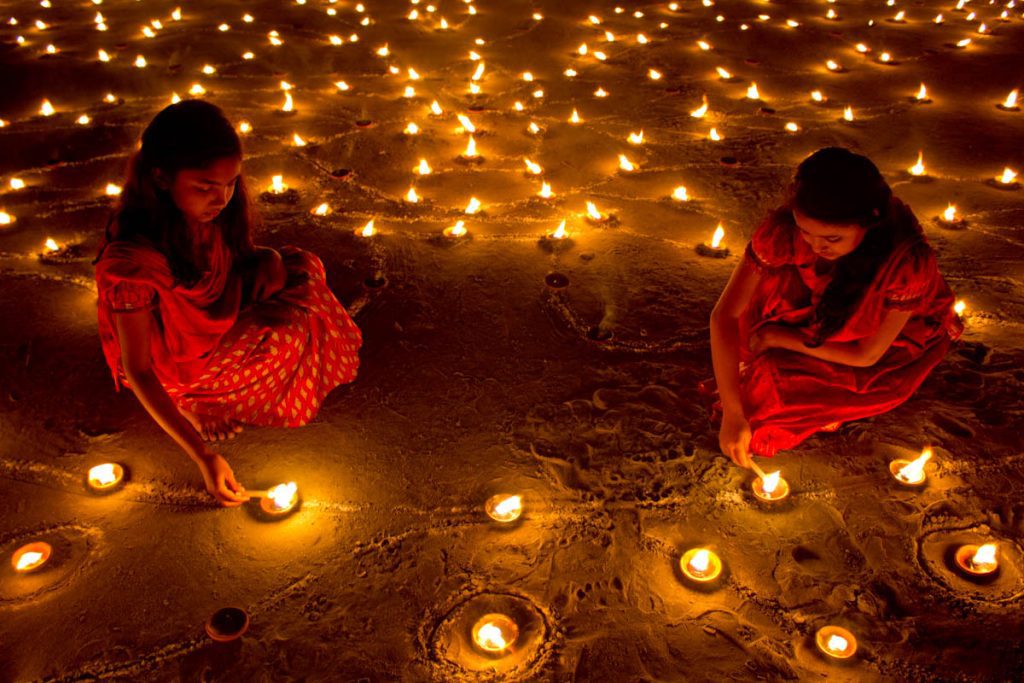
One of the most iconic aspects of Diwali is the lighting of diyas (oil lamps) and fireworks. But why lights? The illumination symbolizes the victory of light over darkness and knowledge over ignorance. As homes are adorned with twinkling lights, the atmosphere transforms into a magical wonderland, inviting positivity and joy.
Delicious Diwali Treats: A Feast for the Senses
No festival is complete without food, and Diwali is no exception! From mouth-watering sweets to savory snacks, the culinary delights of Diwali are a feast for the senses. Some popular Diwali treats include:
- Gulab Jamun: Soft, syrup-soaked balls that melt in your mouth.
- Jalebi: Crispy, spiral-shaped sweets soaked in sugar syrup.
- Samosas: Crispy pastries filled with spiced potatoes and peas.
- Kaju Katli: A rich, cashew-based sweet that’s a favorite among many.
These delectable treats are often exchanged among friends and family, spreading joy and sweetness during the festival.
Diwali Around the World: A Global Celebration
While Diwali is deeply rooted in Indian culture, its celebration has transcended borders. Countries like Nepal, Sri Lanka, Malaysia, and even the United States celebrate Diwali with great enthusiasm. In fact, cities like Leicester in the UK and San Francisco in the US host grand Diwali festivals that attract thousands of visitors!
Each region adds its unique twist to the celebrations, showcasing the festival’s universal appeal and the spirit of togetherness it fosters.
Eco-Friendly Diwali: Celebrating with a Conscience
In recent years, there has been a growing awareness about the environmental impact of Diwali celebrations, particularly concerning pollution from fireworks. Many are now opting for eco-friendly alternatives, such as:
- Using LED lights instead of traditional diyas.
- Celebrating with noise-free and green fireworks.
- Creating handmade decorations from recycled materials.
By embracing sustainable practices, we can ensure that the joy of Diwali is preserved for future generations while protecting our planet.
Conclusion: The Spirit of Diwali
So, what is Diwali? It’s more than just a festival; it’s a celebration of life, love, and the triumph of good over evil. It’s a time for families to come together, share joy, and create lasting memories. Whether you’re lighting a diya, sharing sweets, or simply enjoying the festive spirit, Diwali is a reminder of the light that exists within us all.
As you prepare to celebrate this beautiful festival, remember to embrace its true essence: love, compassion, and unity. Happy Diwali!