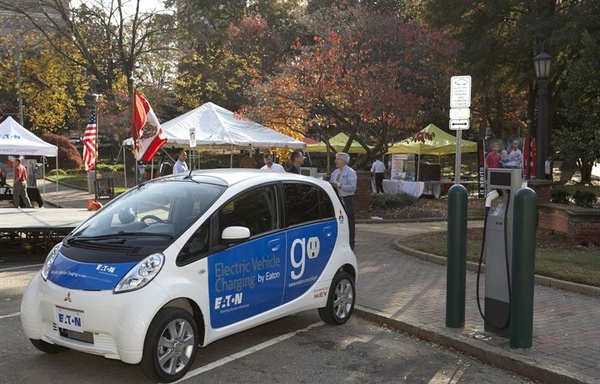
Are you ready to dive into the electrifying world of EV charging stations? Whether you’re a seasoned electric vehicle (EV) owner or just considering making the switch, this comprehensive guide will illuminate every aspect of EV charging stations. From understanding the different types to installation tips and future trends, we’ve got you covered!
What is an EV Charging Station?
EV charging stations are specialized locations where electric vehicles can recharge their batteries. These stations are crucial for the growth of electric mobility, providing the necessary infrastructure to support EV drivers. But wait, there’s more! Did you know that the availability of charging stations can significantly influence your decision to buy an electric vehicle? Let’s explore why!
Why Are EV Charging Stations Important?
As the world shifts towards sustainable energy, the demand for EV charging stations is skyrocketing. Here are some compelling reasons why they are essential:
- Convenience: Charging stations make it easy for EV owners to recharge their vehicles, just like refueling a gas car.
- Range Anxiety Relief: The more charging stations available, the less range anxiety drivers experience.
- Environmental Impact: EVs produce fewer emissions, and charging stations promote the use of clean energy.
- Economic Growth: The installation of charging stations creates jobs and stimulates local economies.
Types of EV Charging Stations: Which One is Right for You?
Not all charging stations are created equal! Understanding the different types can help you make informed decisions. Here’s a breakdown:
1. Level 1 Charging Stations
Level 1 chargers use a standard 120-volt outlet and are typically found in homes. They are the slowest option, providing about 4-5 miles of range per hour of charging. Perfect for overnight charging!
2. Level 2 Charging Stations
Level 2 chargers operate on a 240-volt outlet and are commonly found in public charging stations. They can provide 10-60 miles of range per hour, making them ideal for quick stops during errands or at work.
3. DC Fast Charging Stations
DC fast chargers are the superheroes of the charging world! They can charge an EV to 80% in just 30 minutes. These stations are typically located along highways for long-distance travel.
How to Find EV Charging Stations Near You
Finding a charging station has never been easier! Here are some popular methods:
- Mobile Apps: Apps like PlugShare, ChargePoint, and EVgo provide real-time information on charging station locations and availability.
- In-Car Navigation: Many EVs come equipped with navigation systems that can locate nearby charging stations.
- Online Maps: Google Maps and other mapping services now include EV charging stations in their search results.
Installing an EV Charging Station at Home: What You Need to Know
Thinking about installing a charging station at home? Here’s a step-by-step guide to get you started:
1. Assess Your Electrical System
Before installation, check if your home’s electrical system can support a Level 2 charger. You may need an electrician to upgrade your system.
2. Choose the Right Charger
Select a charger that meets your needs. Consider factors like charging speed, compatibility with your vehicle, and smart features.
3. Hire a Professional Electrician
Installation should be done by a licensed electrician to ensure safety and compliance with local codes.
4. Apply for Incentives
Many states offer incentives for installing EV chargers at home. Check local programs to save money!
Cost of EV Charging Stations: What to Expect
Curious about the costs? Here’s a breakdown:
- Level 1 Charger: $300 – $600 (DIY installation)
- Level 2 Charger: $500 – $1,500 (including installation)
- DC Fast Charger: $10,000 – $40,000 (typically for commercial use)
While the initial investment may seem high, the long-term savings on fuel and maintenance can be substantial!
Future Trends in EV Charging Stations
The future of EV charging stations is bright! Here are some trends to watch:
1. Wireless Charging Technology
Imagine charging your EV without plugging it in! Wireless charging technology is on the rise, making charging more convenient.
2. Solar-Powered Charging Stations
As renewable energy becomes more prevalent, solar-powered charging stations are gaining popularity, reducing reliance on the grid.
3. Smart Charging Solutions
Smart chargers can optimize charging times based on electricity rates, helping you save money while reducing strain on the grid.
Common Myths About EV Charging Stations Debunked
Let’s clear the air! Here are some common myths about EV charging stations:
Myth 1: Charging Takes Too Long
While Level 1 charging can be slow, Level 2 and DC fast chargers can significantly reduce charging time.
Myth 2: There Aren’t Enough Charging Stations
With the rapid expansion of charging infrastructure, finding a station is easier than ever!
Myth 3: Charging Stations Are Only for Electric Cars
Many charging stations are compatible with plug-in hybrid vehicles as well!
Conclusion: Embrace the Future of Transportation
As we move towards a more sustainable future, EV charging stations will play a pivotal role in the transition to electric mobility. Whether you’re considering an electric vehicle or looking to install a charging station at home, understanding the ins and outs of EV charging stations is essential. Don’t get left behind—embrace the electric revolution today!
Ready to Charge Ahead?
Explore your options for EV charging stations and take the first step towards a greener future!