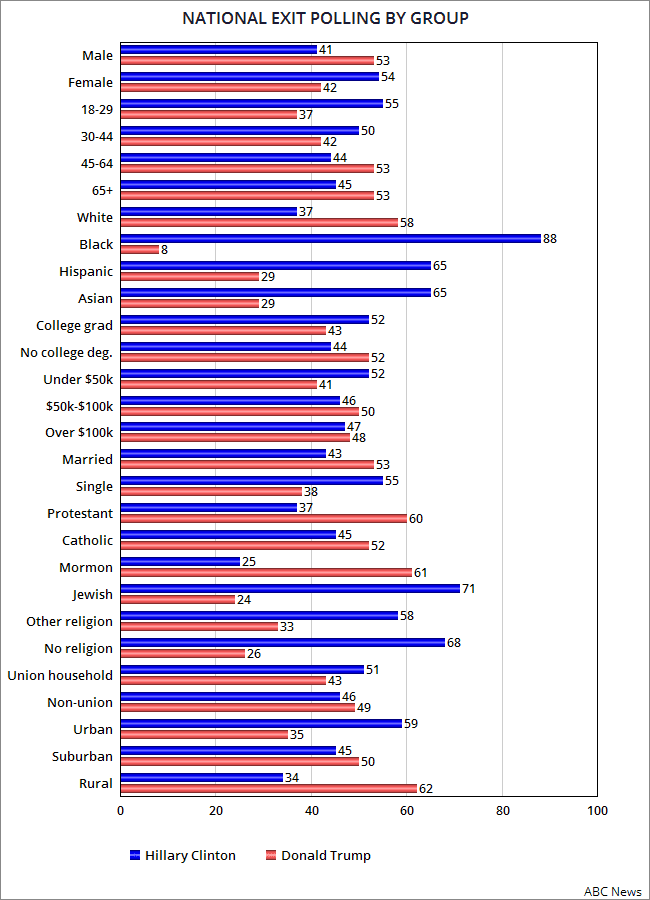
Have you ever wondered how exit polls can predict election outcomes before the votes are even counted? These mysterious surveys have the power to sway public opinion and influence political narratives. But what exactly are exit polls, and how reliable are they? Buckle up as we dive deep into the world of exit polls and uncover the secrets behind their predictions!
What Are Exit Polls?
Exit polls are surveys conducted with voters immediately after they leave the polling stations. These polls aim to gather data on how people voted and why they made those choices. Unlike traditional polls, which ask voters about their intentions before an election, exit polls provide real-time insights into voter behavior and preferences.
How Do Exit Polls Work?
Exit polls are typically conducted by news organizations and research firms. Interviewers stand outside polling places and ask voters a series of questions, including:
- Who did you vote for?
- What were the key issues that influenced your decision?
- Demographic information (age, gender, ethnicity, etc.)
The data collected is then analyzed and used to project election outcomes. But how accurate are these projections? Let’s find out!
The Accuracy of Exit Polls: Can We Trust Them?
While exit polls can provide valuable insights, they are not infallible. Several factors can affect their accuracy:
- Sampling Bias: If the sample of voters surveyed is not representative of the overall electorate, the results can be skewed.
- Timing: Exit polls conducted early in the day may not reflect the final outcome, as voter turnout can change throughout the day.
- Voter Honesty: Some voters may not disclose their true voting intentions, leading to inaccurate results.
Despite these challenges, exit polls have historically been quite accurate in predicting outcomes, especially in high-stakes elections. However, they should be viewed as one piece of the puzzle rather than the definitive answer.
Why Are Exit Polls Important?
Exit polls play a crucial role in the electoral process for several reasons:
- Immediate Insights: They provide instant feedback on voter sentiment, allowing analysts to gauge the mood of the electorate.
- Understanding Voter Behavior: Exit polls help researchers understand the motivations behind voters’ choices, shedding light on key issues and demographics.
- Media Coverage: News organizations use exit polls to inform their coverage and provide context for election results.
Exit Polls vs. Election Day Polls: What’s the Difference?
It’s essential to distinguish between exit polls and election day polls. While both aim to gauge voter sentiment, they differ significantly:
- Timing: Exit polls are conducted after voters have cast their ballots, while election day polls are conducted before the election.
- Methodology: Exit polls rely on actual voting behavior, whereas election day polls rely on predictions and intentions.
Understanding these differences can help you interpret the data more accurately and avoid common misconceptions.
Famous Exit Polls That Shocked the Nation
Throughout history, several exit polls have made headlines for their surprising predictions. Here are a few notable examples:
1. The 2000 Presidential Election
In the highly contested 2000 election between George W. Bush and Al Gore, exit polls initially indicated a clear victory for Gore. However, as the night progressed, the results flipped, leading to one of the most controversial elections in U.S. history.
2. The 2016 Presidential Election
Exit polls in 2016 suggested a tight race between Hillary Clinton and Donald Trump. However, the final results shocked many as Trump secured key battleground states, defying the predictions made by exit polls.
3. The 2020 Presidential Election
In the 2020 election, exit polls indicated a strong lead for Joe Biden. While the final results aligned with these predictions, the accuracy of specific demographic breakdowns raised questions about the reliability of exit polls.
How to Interpret Exit Poll Results
Interpreting exit poll results can be tricky. Here are some tips to help you make sense of the data:
- Look Beyond the Headlines: Media outlets often focus on the most sensational aspects of exit polls. Dig deeper to understand the nuances.
- Consider the Margin of Error: Exit polls come with a margin of error, which can affect the reliability of the results.
- Analyze Demographics: Pay attention to demographic breakdowns to understand how different groups voted.
The Future of Exit Polls: What Lies Ahead?
As technology advances, the methods used for conducting exit polls are evolving. With the rise of online surveys and data analytics, we can expect more accurate and timely insights in future elections. However, the fundamental principles of exit polling will remain the same: capturing the voice of the electorate and providing a snapshot of voter sentiment.
Conclusion: The Power of Exit Polls
Exit polls are a fascinating and powerful tool in the world of politics. They offer a glimpse into the minds of voters and can shape the narrative of an election. While they are not without their flaws, understanding how exit polls work and their significance can enhance your knowledge of the electoral process.
So, the next time you hear about exit polls, remember the insights they provide and the impact they can have on our democracy. Stay informed, stay engaged, and never underestimate the power of your vote!
Want to Stay Updated on Election Insights?
Subscribe to our newsletter for the latest news, analysis, and updates on exit polls and elections!