
Are you or someone you love battling with unexplained symptoms? You might be surprised to learn that it could be lupus! This chronic autoimmune disease affects millions of people worldwide, yet many remain unaware of its implications. In this comprehensive guide, we’ll uncover the hidden truths about lupus, its symptoms, causes, and the latest treatment options available. Buckle up, because this is information you can’t afford to miss!
What is Lupus? The Basics You Must Know
Lupus is a chronic autoimmune disease where the body’s immune system mistakenly attacks healthy tissues. This can lead to inflammation, pain, and damage in various parts of the body, including the skin, joints, kidneys, heart, and lungs. The most common form of lupus is systemic lupus erythematosus (SLE), but there are other types, including discoid lupus and drug-induced lupus.
Why is Lupus Often Misdiagnosed?
One of the most shocking aspects of lupus is that it is often misdiagnosed. Why? Because its symptoms can mimic those of other diseases, making it a diagnostic nightmare for many healthcare providers. Fatigue, joint pain, and skin rashes are just a few symptoms that can lead to confusion. If you’ve been feeling unwell and haven’t received a clear diagnosis, it’s time to dig deeper!
Common Symptoms of Lupus: Are You Experiencing These?
Understanding the symptoms of lupus is crucial for early detection and management. Here are some of the most common signs to watch out for:
- Fatigue: Extreme tiredness that doesn’t improve with rest.
- Joint Pain: Swelling and pain in the joints, often affecting the hands and feet.
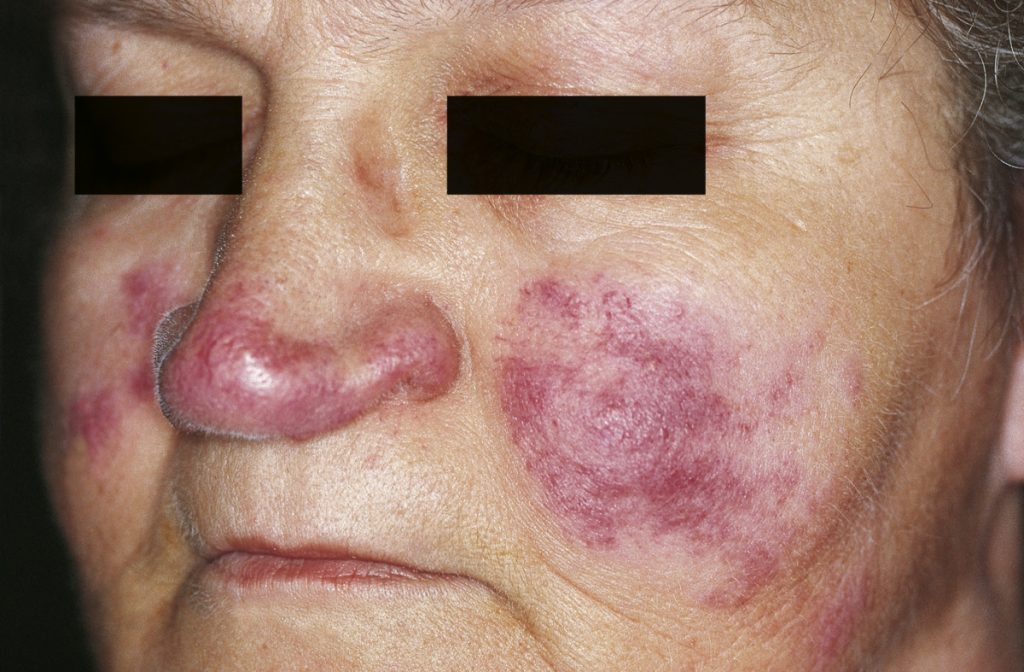
- Skin Rashes: A butterfly-shaped rash across the cheeks and nose is a classic sign.
- Fever: Unexplained fevers that come and go.
- Hair Loss: Thinning hair or patches of hair loss.
- Kidney Issues: Swelling in the legs or high blood pressure can indicate kidney involvement.
If you’re experiencing any of these symptoms, don’t ignore them! Consult a healthcare professional for a thorough evaluation.
The Causes of Lupus: What You Need to Know
While the exact cause of lupus remains a mystery, researchers believe it results from a combination of genetic, environmental, and hormonal factors. Here are some potential triggers:
- Genetics: A family history of lupus or other autoimmune diseases can increase your risk.
- Environmental Factors: Sunlight, infections, and certain medications can trigger lupus symptoms.
- Hormones: Women are more likely to develop lupus, suggesting that hormones may play a role.
Understanding these factors can help you take proactive steps in managing your health.
Diagnosing Lupus: The Process Explained
Diagnosing lupus can be a complex process. Doctors typically use a combination of medical history, physical exams, and laboratory tests to arrive at a diagnosis. Some common tests include:
- Antinuclear Antibody (ANA) Test: A positive result may indicate an autoimmune disorder.
- Blood Tests: To check for inflammation and organ function.
- Urinalysis: To assess kidney function.
It’s essential to work closely with your healthcare provider to ensure an accurate diagnosis.
Living with Lupus: Tips for Management
Receiving a lupus diagnosis can be overwhelming, but there are effective strategies to manage the condition. Here are some tips to help you live your best life:
- Stay Informed: Knowledge is power! Educate yourself about lupus and its management.
- Regular Check-Ups: Keep up with your doctor’s appointments to monitor your health.
- Healthy Lifestyle: A balanced diet, regular exercise, and adequate sleep can help manage symptoms.
- Stress Management: Practice relaxation techniques such as yoga or meditation.
- Sun Protection: Use sunscreen and wear protective clothing to avoid flare-ups.
Implementing these strategies can significantly improve your quality of life.
Latest Treatments for Lupus: What’s New?
The landscape of lupus treatment is constantly evolving. Here are some of the latest advancements:
- Medications: New biologic drugs are being developed to target specific pathways in the immune system.
- Clinical Trials: Participating in clinical trials can give you access to cutting-edge treatments.
- Holistic Approaches: Integrating alternative therapies such as acupuncture and herbal supplements may provide relief.
Always consult with your healthcare provider before starting any new treatment regimen.
Support for Lupus Patients: You Are Not Alone!
Living with lupus can feel isolating, but there are numerous support resources available. Consider joining a support group, either in-person or online, where you can connect with others who understand your journey. Sharing experiences and advice can be incredibly empowering!
Conclusion: Take Control of Your Health Today!
Lupus may be a challenging condition, but with the right knowledge and support, you can take control of your health. Don’t let lupus define you—be proactive, stay informed, and seek the help you need. Remember, you are not alone in this fight!
Ready to Learn More About Lupus?
Subscribe to our newsletter for the latest updates, tips, and support resources!