
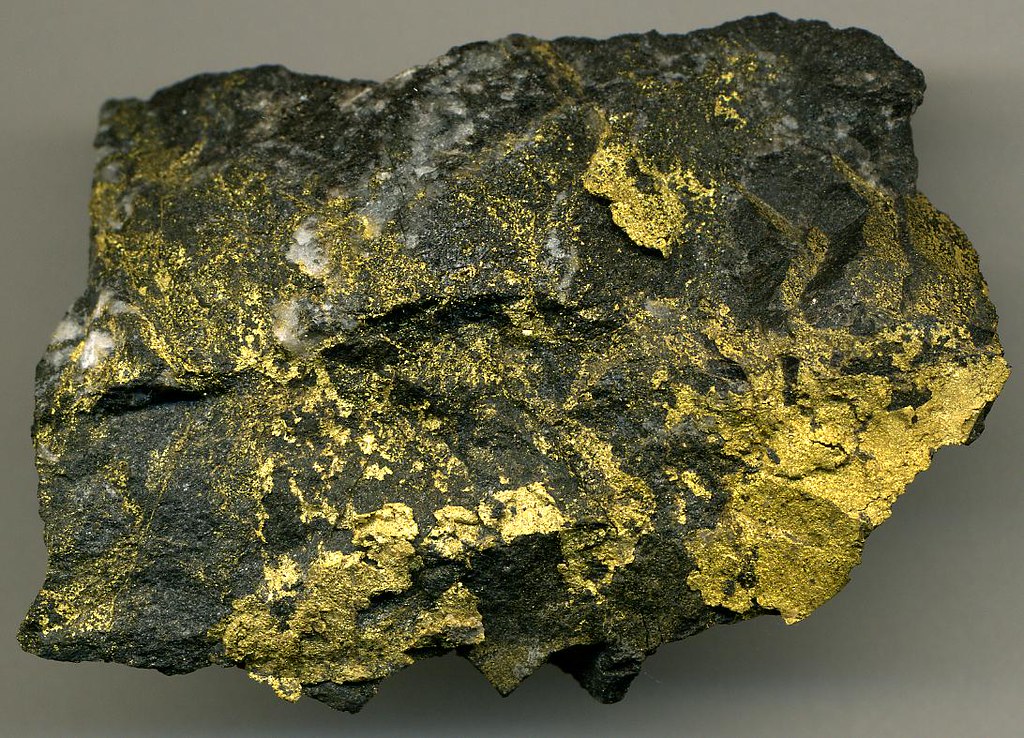
Have you ever wondered what lies beneath the Earth’s surface? The answer is more fascinating than you might think! Ore, a naturally occurring solid material from which a metal or valuable mineral can be extracted, is one of the planet’s most precious resources. In this article, we will dive deep into the world of ore, exploring its types, uses, and the intricate mining processes that bring these hidden treasures to light. Get ready to uncover the secrets of ore!
What is Ore? A Simple Breakdown
At its core, ore is a type of rock that contains sufficient minerals with important elements including metals that can be economically extracted. The term “ore” is often associated with metals like gold, silver, copper, and iron, but it can also refer to non-metallic minerals such as bauxite (the primary ore of aluminum) and phosphates.
Why is Ore Important?
Ore is crucial for various industries, including construction, manufacturing, and technology. The metals extracted from ore are used in everything from building infrastructure to creating electronic devices. Without ore, our modern world would look vastly different!
Types of Ore: A Treasure Trove of Diversity
Ore comes in many forms, each with its unique characteristics and uses. Here are some of the most common types of ore:
- Iron Ore: The backbone of the steel industry, iron ore is primarily used to produce iron, which is then used to make steel.
- Gold Ore: Highly sought after for its rarity and value, gold ore is used in jewelry, electronics, and as an investment.
- Copper Ore: Essential for electrical wiring and plumbing, copper ore is a key player in the construction and electronics industries.
- Bauxite: The primary ore of aluminum, bauxite is crucial for producing lightweight materials used in transportation and packaging.
- Lead Ore: Used in batteries and radiation shielding, lead ore is vital for various industrial applications.
The Mining Process: How Ore is Extracted
The journey of ore from the ground to your hands is a complex process that involves several stages. Here’s a step-by-step guide to how ore is mined:
1. Exploration
Before any mining can take place, extensive exploration is conducted to locate ore deposits. Geologists use various techniques, including geological mapping and sampling, to identify potential mining sites.
2. Extraction
Once a viable ore deposit is found, the extraction process begins. This can be done through two main methods:
- Open-pit mining: This method involves removing large amounts of soil and rock to access the ore beneath the surface.
- Underground mining: Used for deeper ore deposits, this method involves creating tunnels to reach the ore.
3. Processing
After extraction, the ore must be processed to separate the valuable minerals from the waste material. This often involves crushing, grinding, and using chemical processes to extract the desired metals.
4. Refining
The final step is refining, where the extracted metals are purified to meet industry standards. This can involve smelting, electrolysis, or other chemical processes.
Environmental Impact: The Dark Side of Mining
While mining for ore is essential for our economy, it also has significant environmental impacts. Deforestation, habitat destruction, and pollution are just a few of the consequences of mining activities. However, many companies are now adopting sustainable practices to minimize their environmental footprint.
Innovative Solutions for Sustainable Mining
As awareness of environmental issues grows, the mining industry is evolving. Here are some innovative solutions being implemented:
- Recycling: Increasing the recycling of metals reduces the need for new ore extraction.
- Green Mining Technologies: New technologies are being developed to reduce waste and energy consumption during the mining process.
- Restoration Projects: Many mining companies are investing in land restoration projects to rehabilitate areas affected by mining.
Future of Ore: Trends and Predictions
The future of ore mining is bright, with several trends shaping the industry:
1. Increased Demand for Rare Earth Metals
As technology advances, the demand for rare earth metals is skyrocketing. These metals are essential for producing high-tech devices, renewable energy technologies, and electric vehicles.
2. Automation and AI in Mining
Automation and artificial intelligence are revolutionizing the mining industry, making operations more efficient and safer. Drones, autonomous vehicles, and AI-driven analytics are becoming commonplace in modern mining.
3. Focus on Sustainability
With growing concerns about climate change, the mining industry is under pressure to adopt sustainable practices. Companies that prioritize environmental responsibility will likely thrive in the future.
Conclusion: The Value of Ore in Our Lives
From the steel beams that support our buildings to the gold in our jewelry, ore plays a vital role in our everyday lives. Understanding the importance of ore and the processes involved in its extraction can help us appreciate the resources we often take for granted. As we move forward, it’s crucial to balance our need for these valuable materials with the responsibility to protect our planet.
Ready to Learn More?
Subscribe to our newsletter for the latest updates on mining, ore, and sustainable practices!