
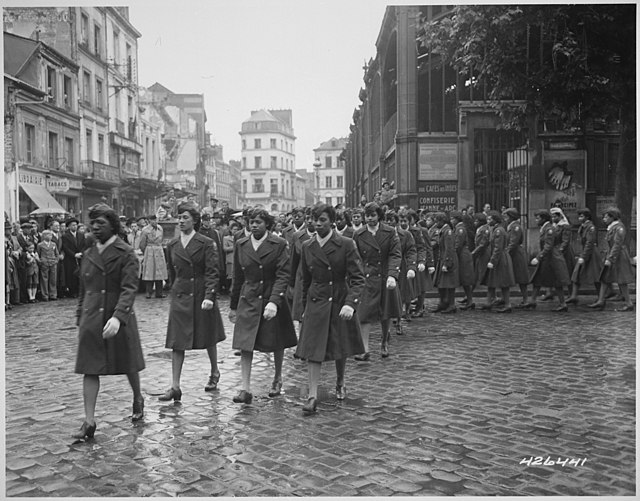
What if we told you that a group of extraordinary women played a pivotal role in World War II, yet their story remains largely untold? Meet the Six Triple Eight, the only all-Black female battalion in the history of the U.S. Army. Their journey is one of bravery, resilience, and a fight for recognition that continues to this day. Buckle up as we dive deep into their incredible legacy!
Who Were the Six Triple Eight?
The Six Triple Eight, officially known as the 6888th Central Postal Directory Battalion, was formed during World War II to address a critical issue: the overwhelming backlog of mail for American troops stationed overseas. With morale at an all-time low, the U.S. Army needed a solution, and they found it in these remarkable women.
Comprising over 800 African American women, the battalion was tasked with sorting and delivering mail to soldiers in Europe. Their motto, “No Mail, No Morale,” encapsulated their mission and the importance of their work. But their journey was fraught with challenges, from racial discrimination to the harsh realities of military life.
The Formation of the Battalion
In 1945, as the war raged on, the U.S. Army recognized the need for a dedicated unit to handle the mail crisis. The decision to form the Six Triple Eight was groundbreaking, as it marked one of the first times African American women were enlisted in the military in such significant numbers. But the path to formation was not easy.
Many of these women faced skepticism and prejudice, both from within the military and society at large. Yet, they persevered, driven by a sense of duty and a desire to serve their country. Their training was rigorous, and they quickly proved their capabilities, showcasing their skills in logistics and organization.
Challenges Faced by the Six Triple Eight
Despite their determination, the women of the Six Triple Eight encountered numerous obstacles. They were often subjected to racial discrimination, both from fellow soldiers and the public. The battalion was stationed in Birmingham, England, where they faced not only the challenges of military life but also the societal prejudices of the time.
Living conditions were often subpar, and the women had to work long hours under difficult circumstances. Yet, they remained focused on their mission, understanding the vital role they played in boosting the morale of American troops. Their resilience in the face of adversity is a testament to their strength and character.
The Impact of Their Work
The Six Triple Eight made a significant impact during their time in service. They sorted through millions of pieces of mail, ensuring that soldiers received letters from home, care packages, and vital communications. Their efforts not only improved morale but also helped maintain the connection between soldiers and their families.
In just a few months, the battalion cleared a backlog of over 17 million pieces of mail. Their efficiency and dedication earned them respect and admiration, proving that they were more than capable of handling the challenges they faced.
Recognition and Legacy
Despite their remarkable contributions, the women of the Six Triple Eight were largely forgotten after the war. It wasn’t until decades later that their story began to gain the recognition it deserved. In 2009, the battalion was awarded the Congressional Gold Medal, a long-overdue acknowledgment of their service and sacrifice.
Today, the legacy of the Six Triple Eight continues to inspire new generations. Their story is a powerful reminder of the importance of diversity and inclusion in the military and society as a whole. They broke barriers and paved the way for future generations of women and people of color in the armed forces.
Why Their Story Matters Today
The story of the Six Triple Eight is not just a historical account; it is a lesson in resilience, courage, and the fight for equality. In a time when discussions about race and gender are more relevant than ever, their legacy serves as a beacon of hope and inspiration.
As we reflect on their contributions, it’s essential to recognize the ongoing struggles faced by women and minorities in the military and beyond. The Six Triple Eight’s story encourages us to continue advocating for equality and justice in all areas of life.
How You Can Honor Their Legacy
Want to honor the legacy of the Six Triple Eight? Here are a few ways you can get involved:
- Educate Yourself: Read books, watch documentaries, and learn more about the contributions of the Six Triple Eight and other underrepresented groups in history.
- Support Diversity Initiatives: Advocate for diversity and inclusion in your community, workplace, and beyond.
- Share Their Story: Spread the word about the Six Triple Eight on social media, in your local community, or through educational programs.
- Visit Memorials: If you have the opportunity, visit memorials or museums dedicated to their service and sacrifice.
Join the Movement!
Help us keep the story of the Six Triple Eight alive. Share this article, educate others, and honor the legacy of these incredible women!
Conclusion
The Six Triple Eight is a powerful reminder of the strength and resilience of women, particularly women of color, in the face of adversity. Their contributions during World War II were invaluable, and their legacy continues to inspire us today. As we move forward, let us remember their story and strive to create a more inclusive and equitable world for all.