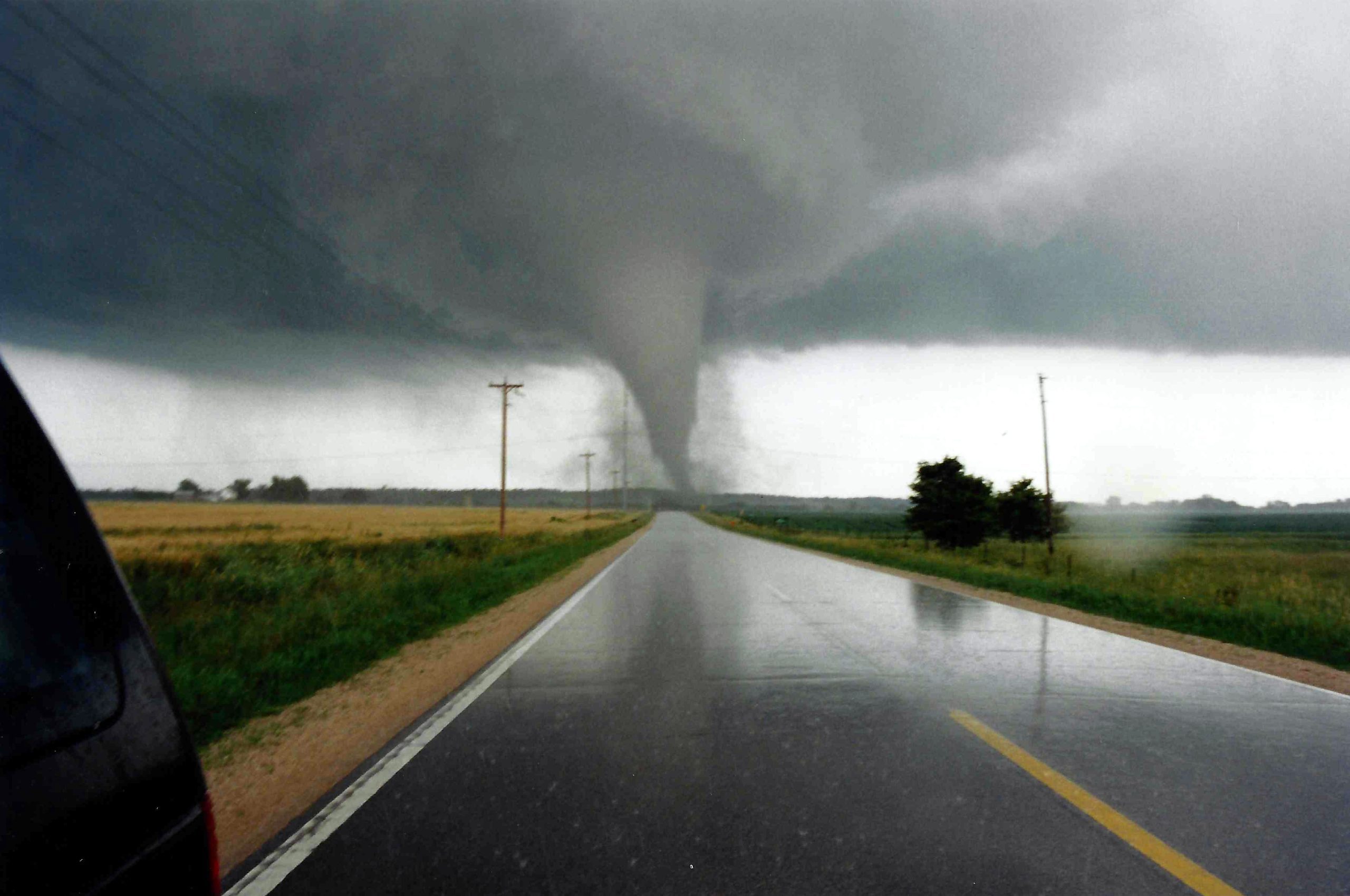
Have you ever wondered what it’s like to witness the raw power of nature? Tornadoes are one of the most awe-inspiring and terrifying phenomena on Earth. In this comprehensive guide, we’ll dive deep into the world of tornadoes, exploring their formation, types, safety tips, and some jaw-dropping facts that will leave you on the edge of your seat!
What is a Tornado?
A tornado is a rapidly rotating column of air that extends from a thunderstorm to the ground. These violent windstorms can produce winds of over 300 miles per hour, making them one of the most destructive forces in nature. But what causes these swirling giants to form? Let’s find out!
How Do Tornadoes Form?
The formation of a tornado is a complex process that involves several meteorological conditions. Here’s a simplified breakdown:
- Warm, Moist Air: Tornadoes typically form in areas where warm, moist air from the Gulf of Mexico meets cool, dry air from Canada.
- Wind Shear: Changes in wind speed and direction at different altitudes create a horizontal spinning effect.
- Thunderstorm Development: When these conditions are present, thunderstorms can develop, and if they become severe, they can spawn tornadoes.
Types of Tornadoes
Tornadoes come in various shapes and sizes, each with its unique characteristics. Here are the most common types:
- Funnel Tornado: The classic tornado shape, resembling a funnel cloud.
- Waterspout: A tornado that forms over water, often less intense than land tornadoes.
- Landspout: A weaker tornado that forms from a cumulus cloud, typically not associated with a supercell.
- Multiple Vortex Tornado: A tornado that contains smaller vortices rotating around a common center.
Shocking Tornado Facts You Didn’t Know!
Prepare to be amazed! Here are some incredible tornado facts that will blow your mind:
- Speed Demons: The fastest tornado ever recorded reached speeds of 302 mph in Oklahoma in 1999!
- Size Matters: Tornadoes can vary in size, with some measuring over a mile wide!
- Deadly History: The deadliest tornado in U.S. history struck in 1925, killing 695 people across three states.
- Colorful Twisters: Tornadoes can appear in various colors, including white, gray, and even green, depending on the storm’s conditions.
Where Do Tornadoes Occur?
While tornadoes can occur anywhere in the world, they are most common in the United States, particularly in an area known as “Tornado Alley.” This region includes parts of Texas, Oklahoma, Kansas, Nebraska, and South Dakota. But don’t be fooled; tornadoes can and do occur outside of this area!
How to Stay Safe During a Tornado
Your safety is paramount when it comes to tornadoes. Here are some essential tips to keep you and your loved ones safe:
- Stay Informed: Keep a weather radio or app handy to receive real-time updates.
- Seek Shelter: If a tornado warning is issued, head to a basement or an interior room on the lowest floor of your home.
- Protect Yourself: Use heavy blankets, mattresses, or helmets to shield yourself from debris.
- Don’t Stay in Your Car: If you’re caught outside, find a low-lying area to lie down in, or seek shelter in a sturdy building.
What to Do After a Tornado
Once the storm has passed, it’s crucial to stay vigilant. Here’s what you should do:
- Check for Injuries: Ensure everyone is safe and administer first aid if necessary.
- Avoid Hazards: Stay away from downed power lines and damaged buildings.
- Listen for Updates: Continue to monitor weather reports for any additional storms.
Famous Tornadoes in History
Throughout history, several tornadoes have left a lasting impact. Here are a few notable ones:
- The Tri-State Tornado (1925): This tornado traveled over 219 miles, making it the longest tornado path in recorded history.
- The Joplin Tornado (2011): Striking Joplin, Missouri, this EF5 tornado caused widespread destruction and resulted in 158 fatalities.
- The Moore Tornado (2013): Another devastating EF5 tornado that struck Moore, Oklahoma, causing significant damage to homes and schools.
Conclusion: Embrace the Power of Nature
Tornadoes are a testament to the incredible power of nature. While they can be terrifying, understanding how they form and knowing how to stay safe can make all the difference. Remember, knowledge is your best defense against these natural disasters. Stay informed, stay prepared, and respect the forces of nature!
For more information on tornadoes and other natural phenomena, be sure to check out our other articles. Don’t forget to share this guide with your friends and family to help them stay safe too!