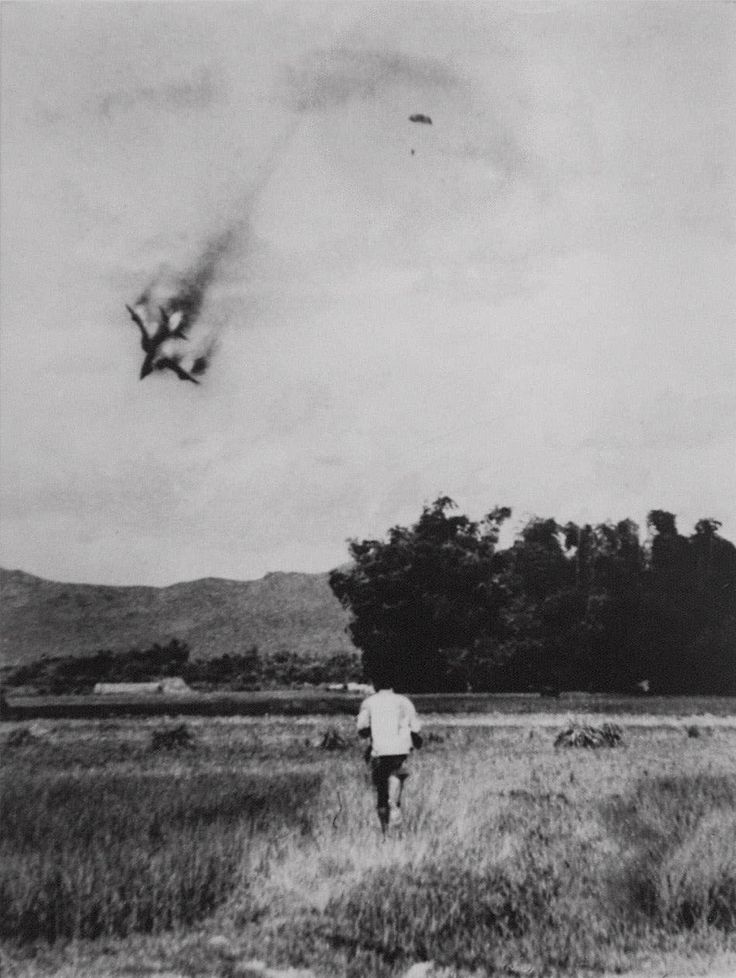
The Shocking Incident That Changed Everything
In a world where military operations often remain shrouded in secrecy, the story of US Navy pilots shot down in the Red Sea stands out as a gripping tale of bravery, survival, and the harsh realities of warfare. This incident, which occurred during a tense period of international conflict, not only tested the mettle of the pilots involved but also revealed the complexities of modern military engagements.
What Happened on That Fateful Day?
On a seemingly ordinary day, the skies over the Red Sea were anything but peaceful. As US Navy pilots conducted routine reconnaissance missions, they found themselves in the crosshairs of enemy fire. The tension escalated quickly, leading to a dramatic series of events that would leave the world in shock.
Eyewitness accounts describe the moment when the first pilot was shot down. The roar of the jet engines was suddenly replaced by the deafening silence of a crash. The pilot’s fate hung in the balance as rescue operations were launched amidst the chaos.
The Heroes Behind the Helm
Meet the brave men and women of the US Navy who risked their lives in the line of duty. These pilots are not just soldiers; they are heroes who embody the spirit of courage and resilience. Each pilot has a unique story, filled with dreams of flying and serving their country.
As we delve deeper into their backgrounds, we uncover the rigorous training they underwent, the sacrifices they made, and the camaraderie that binds them together. These pilots are not just fighting for their lives; they are fighting for each other.
The Aftermath: A Nation on Edge
The news of the downed pilots sent shockwaves across the United States. Families anxiously awaited updates, and the nation held its breath as military officials scrambled to assess the situation. The incident raised questions about national security, military strategy, and the risks faced by those in uniform.
In the days that followed, the government launched an extensive investigation into the circumstances surrounding the shootdown. What led to this tragic event? Were there lapses in intelligence? The answers were not easy to come by, but the quest for truth was relentless.
Rescue Missions: A Race Against Time
As the clock ticked, rescue missions were launched to locate and retrieve the downed pilots. The stakes were high, and the challenges were immense. Navigating hostile territory, dealing with unpredictable weather, and coordinating with various military branches were just a few of the hurdles faced by the rescue teams.
In a heart-pounding race against time, these brave men and women embarked on a mission that would test their skills and resolve. The stories of their daring rescues are nothing short of extraordinary, showcasing the lengths to which the military will go to protect its own.
International Repercussions: A Diplomatic Crisis
The incident did not just have military implications; it also sparked a diplomatic crisis. Tensions between the United States and the country responsible for the shootdown escalated, leading to a flurry of diplomatic negotiations and international scrutiny.
As the world watched, leaders were forced to navigate a complex web of alliances and enmities. The incident served as a stark reminder of the fragile nature of international relations and the potential for conflict in an increasingly volatile world.
Lessons Learned: The Impact on Military Strategy
In the aftermath of the incident, military strategists began to reevaluate their approaches to aerial operations. What could have been done differently? How can future incidents be prevented? These questions became the focal point of discussions among military leaders and policymakers.
The lessons learned from this harrowing experience would shape the future of military aviation and operations in conflict zones. Innovations in technology, intelligence gathering, and pilot training emerged as key areas of focus, ensuring that the sacrifices made would not be in vain.
Personal Stories: The Pilots’ Journey
Behind every statistic and headline are real people with real stories. The pilots who were shot down in the Red Sea each have their own unique journeys, filled with dreams, aspirations, and the desire to serve their country. Their experiences, both during and after the incident, offer a glimpse into the human side of military service.
From the harrowing moments of being shot down to the emotional reunions with their families, these pilots’ stories are a testament to the strength of the human spirit. Their resilience in the face of adversity serves as an inspiration to us all.
Conclusion: A Legacy of Courage
The story of US Navy pilots shot down in the Red Sea is one of courage, sacrifice, and resilience. It serves as a powerful reminder of the risks faced by those who serve in the military and the unwavering spirit that drives them to protect our freedoms.
As we reflect on this incident, let us honor the bravery of the pilots and the countless others who have served in the line of duty. Their legacy lives on, inspiring future generations to stand up for what is right and to face challenges head-on.
What happened to pilots who were shot down in the air during naval battles in WWII? Were they rescued most of he times?
by inMilitaryHistory
Thomas Hudner shoots down drone in Red Sea
byu/alfredplayermahan innavy
A Harrier pilots operating from USS Bataan shot down 7 Houthi drones and also has conducted AirStrikes against targets in Yemen
by inLessCredibleDefence
Developing: Security incident involving US Navy destroyer in Red Sea, US official says
byu/VictorEmmanuelIV inworldnews
“Overnight HMSDiamond alongside US vessels repelled the largest and most complex attack by Houthis in the Red Sea to date. Nearly 15% of global seaborne trade passes through the Red Sea. Attacks to commercial shipping jeopardise the movement of goods worldwide.” – Ministry of Defense
byu/newnoadeptness innavy
Image taken from the bridge of HMS Diamond, seen here firing her Sea Viper missiles in the Red Sea today (10/01/24).
byu/oinazz inCombatFootage
German navy almost shot down US drone over Red Sea
byu/razor_16_ ineurope
US Navy shoots down 15 Houthi drones over Red Sea
byu/JonRadian innews
Middle East crisis live: Houthi missile launched at USS Laboon shot down in Red Sea, says US military
byu/urmomsloosevag innavy
A cruise missile launched by the Houthis into the Red Sea on Tuesday night came within a mile of a US destroyer before it was shot down by CIWS, four US officials told CNN
byu/newnoadeptness innavy
How likely is it that a usa navy ship will sink in the Red Sea?
byu/trading2006 inwar
What is the F-14 Tomcats combat record like? Did it live up to the ‘Top Gun’ hype?
byu/Falcriots inWarCollege
Unedited gun camera footage and audio from a 1989 dogfight between U.S. Navy F-14 Tomcats vs. Libyan MiG-23 Floggers. It gets intense at the end, but the Tomcat drivers come out on top.
byu/PM_ME_UR_BOOBS_YO inCombatFootage
Lt. Cdr. Tremel, US Navy Pilot who shot down Syrian Su-22 with the F/A-18E he flew on that mission.
byu/IDrink_n_IKnowThings inaviation
If a fighter pilot was shot down over the ocean in a WW2 battle and managed to escape the plane, how would he signal his position and what were his chances of survival?
byu/LukeInTheSkyWith inAskHistorians
Middle East latest: Iran warns of decisive response to any US action; another Houthi missile shot down in Red Sea | World News
byu/nimzinho inworldnews
In World War II, if a pilot operating from a carrier had to ditch his plane, how likely was it that he would be found and rescued?
byu/Words_are_Windy inAskHistorians
TIL, U.S Navy pilot David Mccampbell set a United States single mission aerial combat record of shooting down nine enemy planes in one mission during the Battle of the Leyte Gulf on October 24, 1944, while flying the F6F Hellcat. He received the Medal of Honor for his actions.
by intodayilearned
Does the military intentionally keep pilots flight hours down so they don’t go civilian?
by innavy
How did naval aviators get back to their ships?
byu/me2224 inAskHistorians