
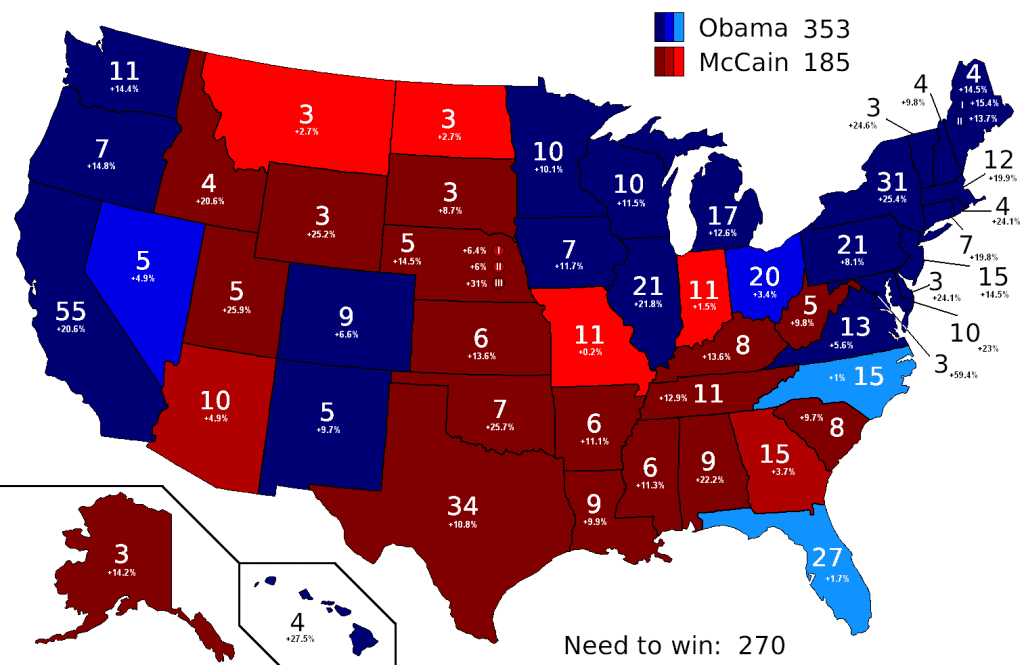
Are you ready to dive into the fascinating world of voting polls? Whether you’re a seasoned voter or a first-timer, understanding how polls work can significantly impact your voting experience. In this comprehensive guide, we’ll unravel the mysteries of voting polls, their importance, and how they influence elections. Buckle up, because you’re about to discover the secrets behind the numbers!
What Are Voting Polls?
Voting polls are surveys conducted to gauge public opinion on various issues, candidates, or policies. They play a crucial role in the electoral process, providing insights into how the electorate feels about specific topics. But wait, there’s more! Polls can also predict election outcomes, influence campaign strategies, and even sway undecided voters. Intrigued? Let’s explore further!
Why Are Voting Polls Important?
Voting polls are not just numbers on a page; they are a reflection of the collective voice of the people. Here are some compelling reasons why they matter:
- Gauge Public Opinion: Polls help identify what issues are most important to voters, allowing candidates to tailor their messages accordingly.
- Predict Election Outcomes: While not always accurate, polls can provide a snapshot of how an election might turn out, helping parties strategize their campaigns.
- Encourage Voter Participation: Seeing a candidate leading in the polls can motivate supporters to get out and vote, while a close race can energize undecided voters.
- Influence Media Coverage: Poll results often dictate which candidates receive more media attention, shaping public perception.
Types of Voting Polls
Not all polls are created equal! Here’s a breakdown of the different types of voting polls you should know about:
1. Opinion Polls
These polls measure the public’s views on specific issues or candidates. They are often conducted before elections to gauge voter sentiment.
2. Exit Polls
Conducted on Election Day, exit polls survey voters as they leave polling places to predict the outcome of the election before official results are announced.
3. Tracking Polls
These polls are conducted over a period of time to track changes in public opinion. They are particularly useful during election campaigns to see how candidates are performing.
4. Push Polls
These are controversial and often misleading polls designed to sway public opinion rather than measure it. They typically ask leading questions to influence respondents.
How Are Voting Polls Conducted?
Curious about how these polls are created? Here’s a step-by-step look at the polling process:
- Defining the Objective: Pollsters determine what they want to measure, whether it’s candidate preference, issue importance, or voter demographics.
- Sampling: A representative sample of the population is selected to ensure accurate results. This can include random sampling or stratified sampling methods.
- Question Design: Questions are crafted to avoid bias and elicit honest responses. The wording and order of questions can significantly impact results.
- Data Collection: Polls can be conducted via phone, online surveys, or in-person interviews. Each method has its pros and cons.
- Analysis: Once data is collected, it’s analyzed to draw conclusions and report findings.
Understanding Poll Results
Reading poll results can be tricky! Here are some key terms and concepts to help you make sense of the numbers:
- Margin of Error: This indicates the range within which the true value likely falls. A smaller margin of error means more reliable results.
- Sample Size: The number of respondents surveyed. Larger sample sizes generally lead to more accurate results.
- Confidence Level: This reflects how confident pollsters are that the results are accurate. A 95% confidence level is standard.
Common Misconceptions About Voting Polls
Don’t fall for these common myths about voting polls!
Myth 1: Polls Always Predict the Winner
While polls can provide insights, they are not foolproof. Many factors can influence election outcomes, including last-minute voter decisions.
Myth 2: Only Certain Demographics Matter
Every vote counts! Polls aim to represent the entire electorate, but some demographics may be underrepresented in certain surveys.
Myth 3: Polls Are Manipulated
While some polls may have biases, reputable polling organizations adhere to strict methodologies to ensure accuracy.
How to Interpret Polls Like a Pro
Want to become a polling expert? Here are some tips to help you interpret polls effectively:
- Look Beyond the Headline: Don’t just focus on who’s leading; examine the details, including the margin of error and sample size.
- Check the Source: Always consider the credibility of the polling organization. Established firms are more likely to produce reliable results.
- Consider Timing: Polls conducted closer to Election Day may be more reflective of current voter sentiment.
The Role of Social Media in Voting Polls
In today’s digital age, social media plays a significant role in shaping public opinion and influencing polls. Here’s how:
- Instant Feedback: Social media allows for real-time reactions to candidates and issues, providing pollsters with immediate insights.
- Viral Trends: A candidate’s popularity can surge or plummet based on social media trends, impacting polling results.
- Engagement: Candidates use social media to engage with voters, which can influence their polling numbers.
What to Expect in the Upcoming Elections
As we approach the next election cycle, here’s what you can expect regarding voting polls:
- Increased Use of Technology: Expect more online polls and data collection methods as technology continues to evolve.
- Focus on Key Issues: Polls will likely highlight pressing issues such as healthcare, climate change, and economic recovery.
- Voter Turnout Trends: Polls will provide insights into voter enthusiasm and turnout predictions, which are crucial for candidates.
Get Involved: How You Can Make Your Voice Heard
Feeling inspired to make a difference? Here’s how you can get involved:
- Participate in Polls: Engage in surveys and polls to make your voice heard and contribute to the data.
- Educate Others: Share your knowledge about voting polls with friends and family to help them understand their importance.
- Vote! The most crucial step is to exercise your right to vote. Every vote matters!
Ready to Make a Difference?
Stay informed, participate in polls, and make your voice heard in the upcoming elections!
Conclusion
Voting polls are a powerful tool that shapes our democracy. By understanding how they work and their significance, you can become a more informed voter. Remember, your voice matters, and participating in the electoral process is essential for a thriving democracy. So, the next time you see a poll, don’t just glance at the numbers—dive deeper and understand the story behind them!